




 Contact us
For any questions.
 Shipping policies
All shipments are traceable
 Returns policies
If the Product does not comply with the order, the return is free
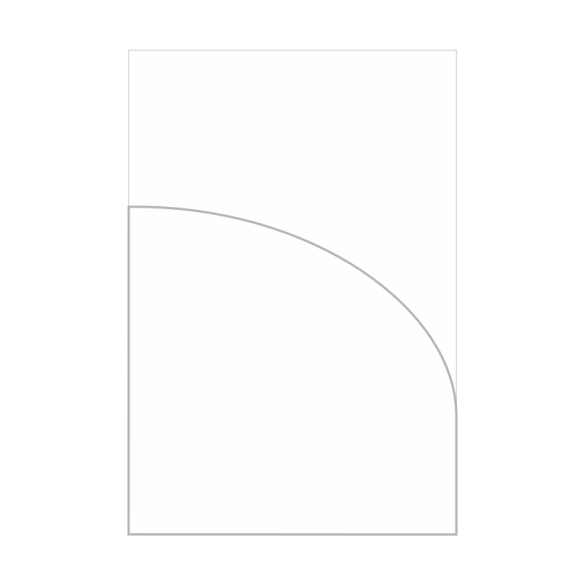
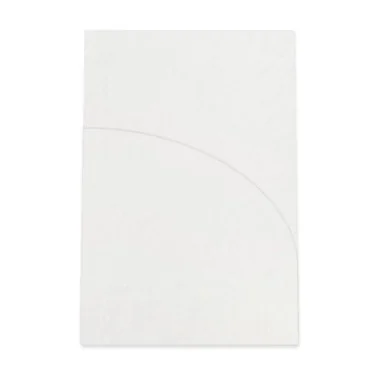
The dry relief, also known as embossing, is a technique used to create drawings, written or motifs in relief on paper without the use of ink or paint. This method is obtained by pressing on a mold or a matrix, creating a three-dimensional effect on the surface of the material.
Dry relief techniques
1. Dry print (dry embossing): This process uses a matrix and a sheet of material. The matrix, with the desired design, is pressed against the material, creating a relief. A machine called "Embossing Machine" or a manual press is often used.
2. Freehand relief: Using tools like a stylus for relief, you can create freehand relief designs by pushing the material against a mold or a rigid surface.
Applications
- Letterhead and business cards **: to add a touch of elegance and professionalism.
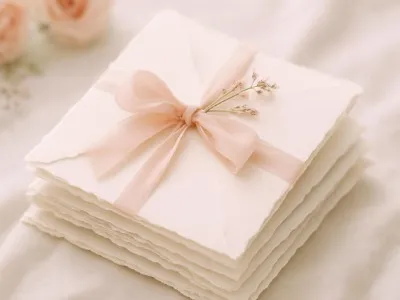
- Invitations and postcards **: for a sophisticated visual and tactile effect.
- Binding of books and covers **: for a decorative and distinctive aspect.
- Art and craftsmanship **: to create unique textures and designs in creative projects.
Benefits
- Elegant aesthetics: the survey adds a sophisticated and professional aspect.
- Without ink: ideal for those who want a clean and colorless effect.
- Versatility: can be applied on various materials and for different purposes.
Examples
A common dry relief example is use on business cards, where the company logo or name is in relief, giving a high quality effect and attention to detail. Even wedding invitations often use dry relief for an elegant and distinctive touch.
Dry relief is a versatile and refined technique that adds visual depth and interest to printed materials, making them unique and memorable.
Specific References
Cliché for dry relief + first machine installation